CHSU-COM Students SET THE iBARra at the 2026 Western Medical Research Conference
February 10, 2026
Written by Francisco Ibarra, PharmD, BCCP
The 2026 Western Medical Research Conference (WMRC) was held January 15–17, 2026, in Carmel, California. The conference brought together students, residents, fellows, attending physicians, and faculty from more than a dozen U.S. states and international locations—including British Columbia and New Zealand—to present research, network, and earn continuing medical education credits.
Hosted by the American Federation for Medical Research, an international, multidisciplinary organization dedicated to biomedical and patient-oriented research, the WMRC continues to serve as a premier forum for scientific exchange. Major participating institutions included CHSU-COM, UCLA, UC San Diego, UC San Francisco, Stanford University, Cedars-Sinai Medical Center, and many others.
The California Health Sciences University College of Osteopathic Medicine (CHSU-COM) was proud to have seven medical students present projects at the 2026 WMRC.
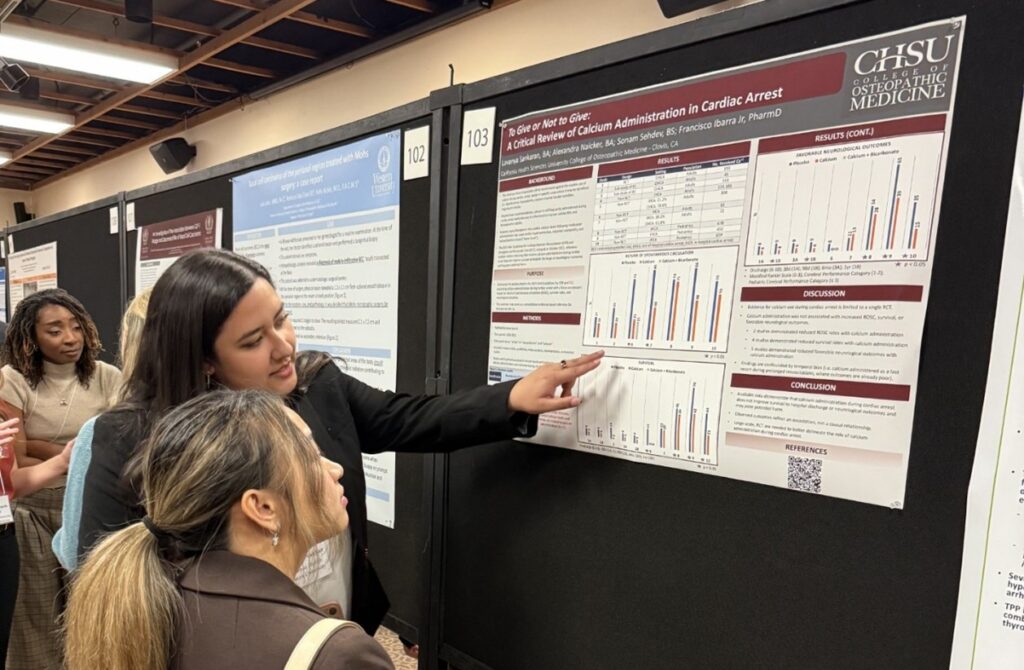
Project Title: To give or not to give: A critical review of calcium administration in cardiac arrest.
Alexandra Naicker (CHSU-COM Class 2027), delivered a poster presentation on her group’s project titled, “To give or not to give: A critical review of calcium administration in cardiac arrest.” Alex’s group summarized studies assessing calcium administration during cardiac arrest, focusing on its effects on return of spontaneous circulation, survival, and neurological outcomes. Her group’s work provides a consolidated, evidence-based reference for clinicians to refer to.
“Attending the Western Medical Research Conference was an amazing opportunity that allowed me not only to present my research through our poster on calcium administration in cardiac arrest, but also to connect with other members of the medical community and learn about clinically relevant topics that will directly inform my development as a future physician. The experience also motivated me to continue attending and participating in conferences as a way to learn, collaborate, and grow as a student and future clinician.” – Alexandra Naicker (Class 2027)
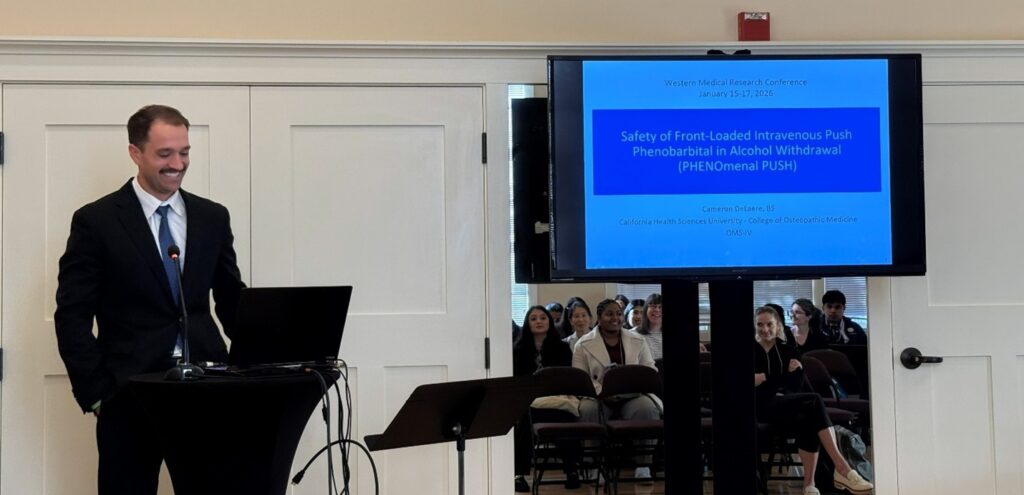
Project Title: Safety of front-loaded intravenous push phenobarbital in the management of alcohol withdrawal (PHENOmenal PUSH).
Cameron DeLaere (CHSU-COM Class of 2026), delivered an oral presentation on his group’s project titled, “Safety of front-loaded intravenous push phenobarbital in the management of alcohol withdrawal (PHENOmenal PUSH).” In the management of alcohol withdrawal, large doses of phenobarbital are commonly compounded by the pharmacy and administered as prolonged infusions, a practice that can delay timely patient care. Cameron and colleagues demonstrated that large doses of phenobarbital can safely be administered via intravenous push, an approach that facilitates more rapid delivery and encourages broader adoption of phenobarbital for this indication.
“Participating in the Western Medical Research Conference was an exceptionally rewarding experience. Sharing our findings on IV push phenobarbital and hearing feedback from other presenters helped deepen my understanding of the work and its broader clinical impact. Preparing for the oral presentation also strengthened my ability to communicate complex information clearly and confidently. I’m truly thankful for Dr. Ibarra’s mentorship and the time he invested in guiding me through this project, his support made this accomplishment possible. Overall, the conference was a great opportunity to learn, grow, and connect with others passionate about advancing patient care.” – Cameron DeLaere (Class of 2026)
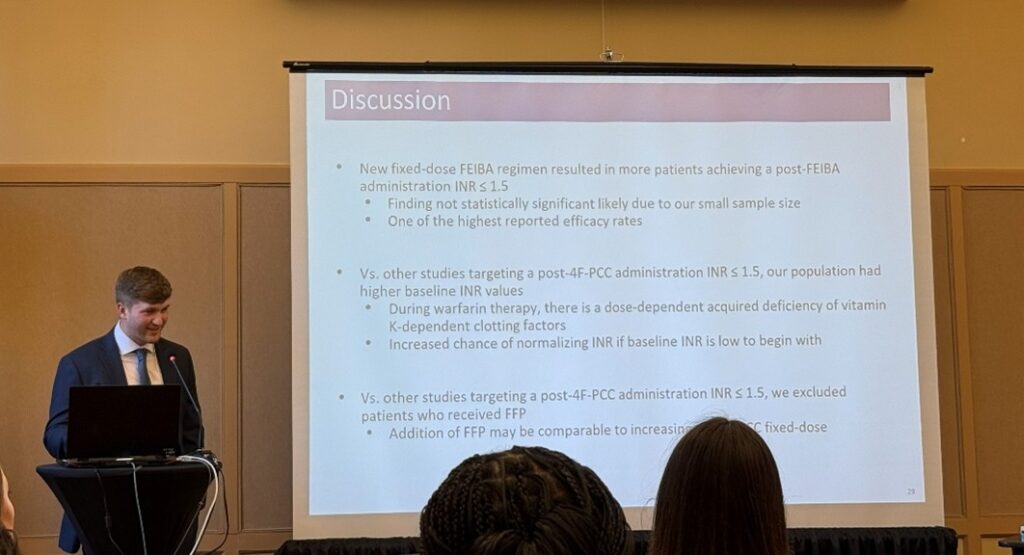
Project Title: Novel activated prothrombin complex concentrate regimen for managing warfarin-associated coagulopathies.
Benjamin Falkenstein (CHSU-Class of 2026), delivered an oral presentation on his group’s project titled, “Novel activated prothrombin complex concentrate regimen for managing warfarin-associated coagulopathies.” An internal audit at the study site revealed the institution’s protocol for managing warfarin-associated coagulopathies was suboptimal, prompting a revision. Benjamin’s group found that the new FEIBA dosing protocol resulted in more patients achieving INR target goals.
“I am deeply thankful to Dr. Ibarra for his mentorship and guidance over the past three years, which shaped not only my approach to research but also my growth as a soon to be resident. Contributing to medical literature has been a privilege and reminded me how powerful it is to engage at the intersection of science and medicine, where new evidence continuously reshapes how we care for patients. This experience challenged me to question the status quo and avoid practicing medicine out of habit alone, reinforcing the responsibility we have as physicians to stay current, think critically, and push ourselves toward better outcomes. It has been both humbling and motivating to take part in work that encourages thoughtful innovation in patient care.” – Benjamin Falkenstein (Class of 2026)
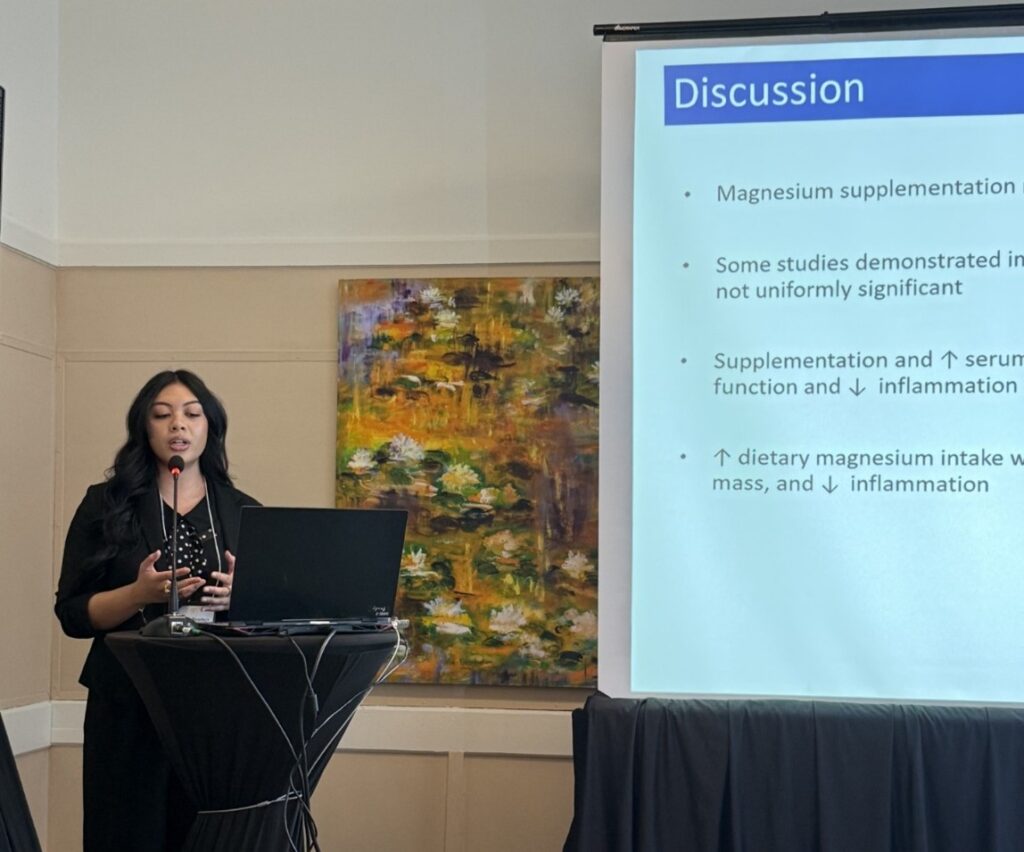
Project Title: Magnesium supplementation in muscle strength and recovery.
Valerie Domingo (CHSU-COM Class of 2027), delivered an oral presentation on her group’s project titled, “Magnesium supplementation in muscle strength and recovery.” Valerie’s group summarized studies assessing magnesium supplementation on exercise performance, focusing on its effects on muscle soreness, muscle strength/performance, body composition/fat free mass, and inflammatory markers. This work provides a consolidated, evidence-based reference for clinicians and athletes to refer to.
“I had a wonderful experience presenting our review at WMRC. This project is especially meaningful to me because it began as a passion project combining my interests in fitness and medicine. By highlighting promising evidence that magnesium supplementation may support muscle recovery, I was excited to engage with audience members who were already using magnesium for other reasons and were curious about our findings. Hearing the positive reception to our work during my Q&A was uplifting, and I hope it inspires others to explore magnesium as part of their recovery routine.” – Valerie Domingo (Class of 2027)
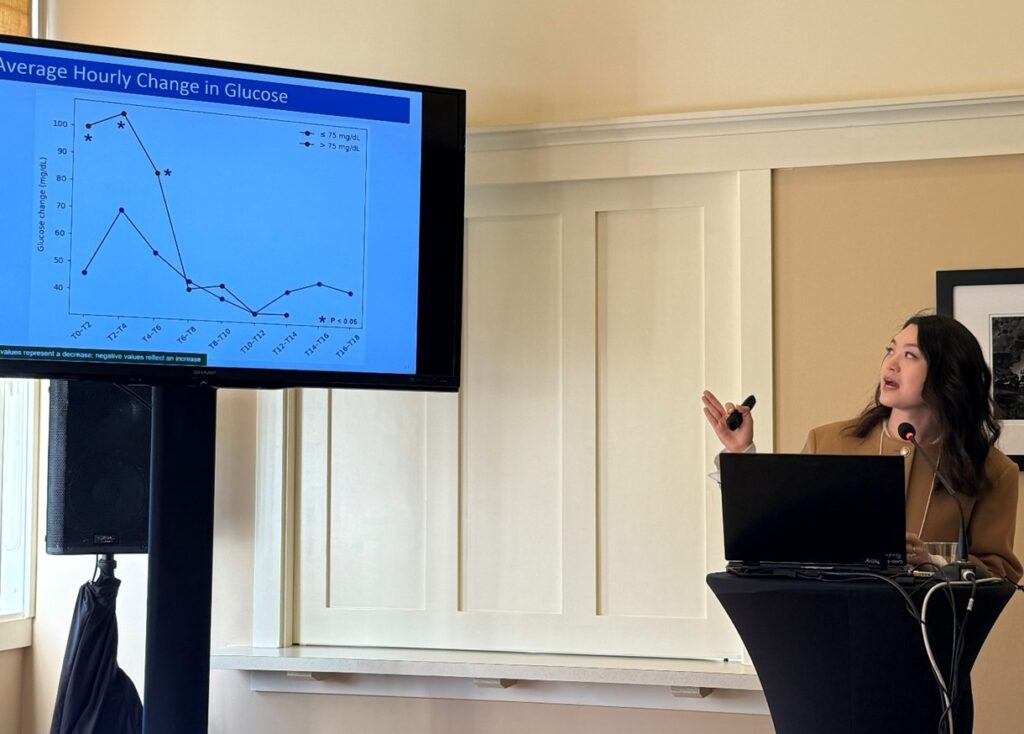
Project Title: Optimal glucose reduction in diabetic emergencies (OG-RIDE).
Felicia Hung (CHSU-Class of 2027), delivered an oral presentation on her group’s project titled, “Optimal glucose reduction in diabetic emergencies (OG-RIDE).” Current guidelines for the management of hyperglycemic emergencies recommend a gradual glucose reduction to minimize the risk of cerebral edema. However, this recommendation is supported by limited literature, and severe hyperglycemia in itself may cause cerebral edema. Felicia’s group findings suggest glucose levels can safely be reduced faster than what is currently recommended.
“It was an honor to present at WRMC and represent CHSU. Delivering an oral presentation is a very different experience from presenting a poster, and it challenged me to communicate complex data clearly and confidently in real time. Preparing for this project deepened my understanding of hyperglycemic emergencies beyond what is taught in class, and reinforced how research strengthens my medical knowledge. Working with Dr. Ibarra has been especially meaningful, as he involves his students in every stage of the research process, from study design and data analysis to abstract development and presentation delivery. His commitment to rigorous preparation and thoughtful feedback ensured that we were well prepared to present our work with confidence and clarity. I am eager to take these skills to my future conferences!” – Felicia Hung (Class of 2027)
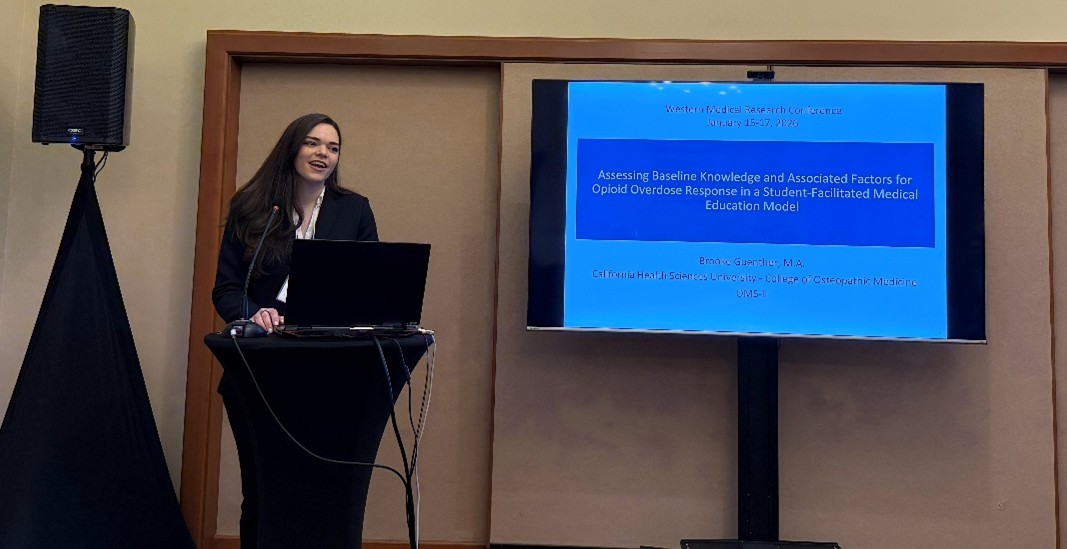
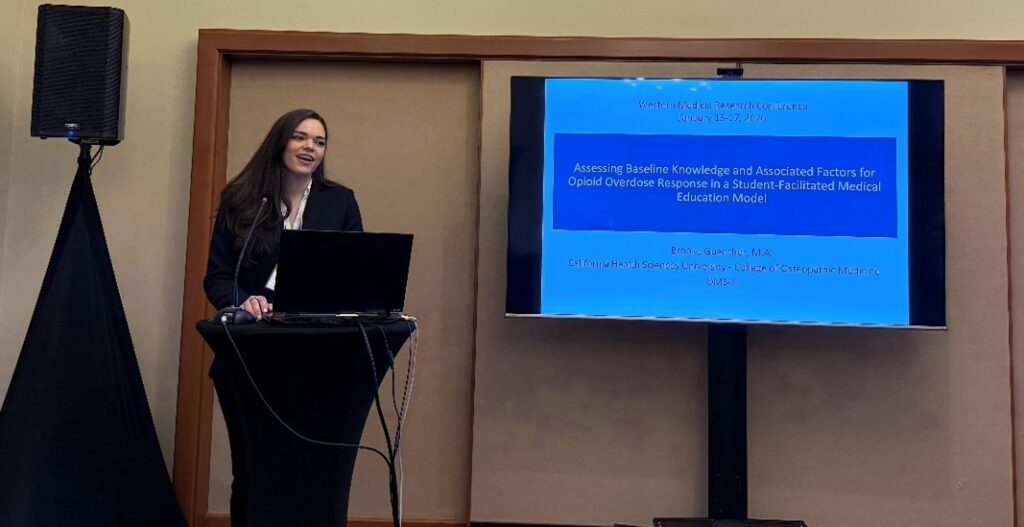
Project Title: Assessing baseline knowledge and associated factors for opioid overdose response in a student-facilitated medical education model.
Brooke Guenther (CHSU-Class of 2028), delivered an oral presentation on her group’s project titled, “Assessing baseline knowledge and associated factors for opioid overdose response in a student-facilitated medical education model.” According to the CDC, 44% of opioid overdose deaths occur in the presence of a bystander, underscoring the need to improve bystander competence and confidence in responding to opioid overdoses. To better equip CHSU-COM students to respond to opioid overdoses, the CHSU Overdose Prevention Committee’s (OPC) naloxone training was incorporated into the school’s TDP curriculum. Brooke and colleagues found that their training improved first-year medical students’ knowledge and confidence in responding to opioid overdoses.
“Presenting at WRMC on the research the Overdose Prevention Committee completed this past semester was incredibly rewarding. It is a great feeling of accomplishment to see a project our team worked tirelessly on come to full fruition, showing medical students, physicians, and faculty the results of our study. My hope is the presentation inspired others to bring harm reduction education and resources into their medical institutions whether that be hospitals or medical schools. Thank you to CHSU, Dr. Ibarra, and Dr. Grewal for allowing OPC the opportunity to be integrated into the school’s curricula, conduct research, and participate in a conference like WRMC.” – Brooke Guenther (Class of 2028)
Project Title: Fentanyl’s youngest victims: hospital encounter outcomes related to fentanyl use in patients 18 and under.
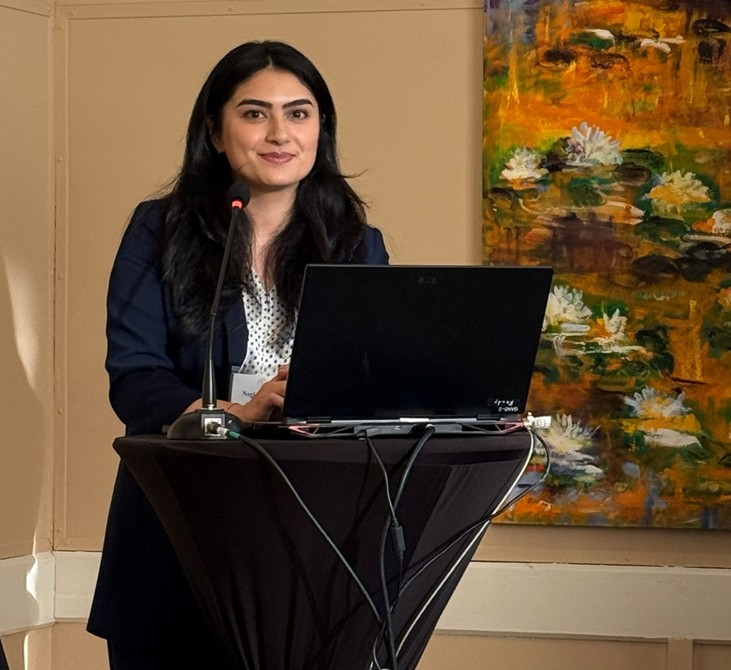
Negin Fadaee (CHSU-Class 2027), delivered an oral presentation on her group’s project titled, “Fentanyl’s youngest victims: hospital encounter outcomes related to fentanyl use in patients 18 and under.” There is limited data to quantify and characterize fentanyl-related ED encounters in patients ≤ 18 years of age. Negin’s group found that fentanyl-laced counterfeit pills, including Percocet and Xanax, largely contribute to unintentional ingestions and many patients with substance use disorders have co-existing mental health disorders. Negin’s findings underscore the need to implement harm reduction strategies, train community members in opioid overdose preparedness, and address co‑occurring mental health disorders.
“Working with Dr. Ibarra on this project and ultimately presenting our study and findings at WMRC was both an enjoyable and educational experience. Dr. Ibarra brings a wealth of knowledge, and having him as a mentor throughout the study was always insightful. I also loved having the opportunity to use my public health background to highlight children and adolescents in our study and to draw attention to hospital encounters related to fentanyl use in this patient population. Presenting at WMRC also allowed me to engage with others’ studies and learn about the impactful initiatives being pursued across the medical and public health fields.” – Negin Fadaee (Class 2027)