A Dose of Prevention: Preparing Future Physicians to Respond to Opioid Overdoses
September 23, 2026
Written by Denna Hadipour, OMS-II, OPC Internal Education Sub-Chair
The ongoing fentanyl and opioid crisis continues to affect individuals and families across California’s Central Valley. CHSU’s Overdose Prevention Committee (OPC) is helping prepare fellow medical students to recognize and respond to opioid overdoses while promoting compassionate, patient-centered care that reduces stigma and supports individuals affected by substance use.
To help students build these essential skills, OPC partnered with The Developing Physician clinical skills course to provide comprehensive naloxone (Narcan) training for the entire first-year osteopathic medical student class.
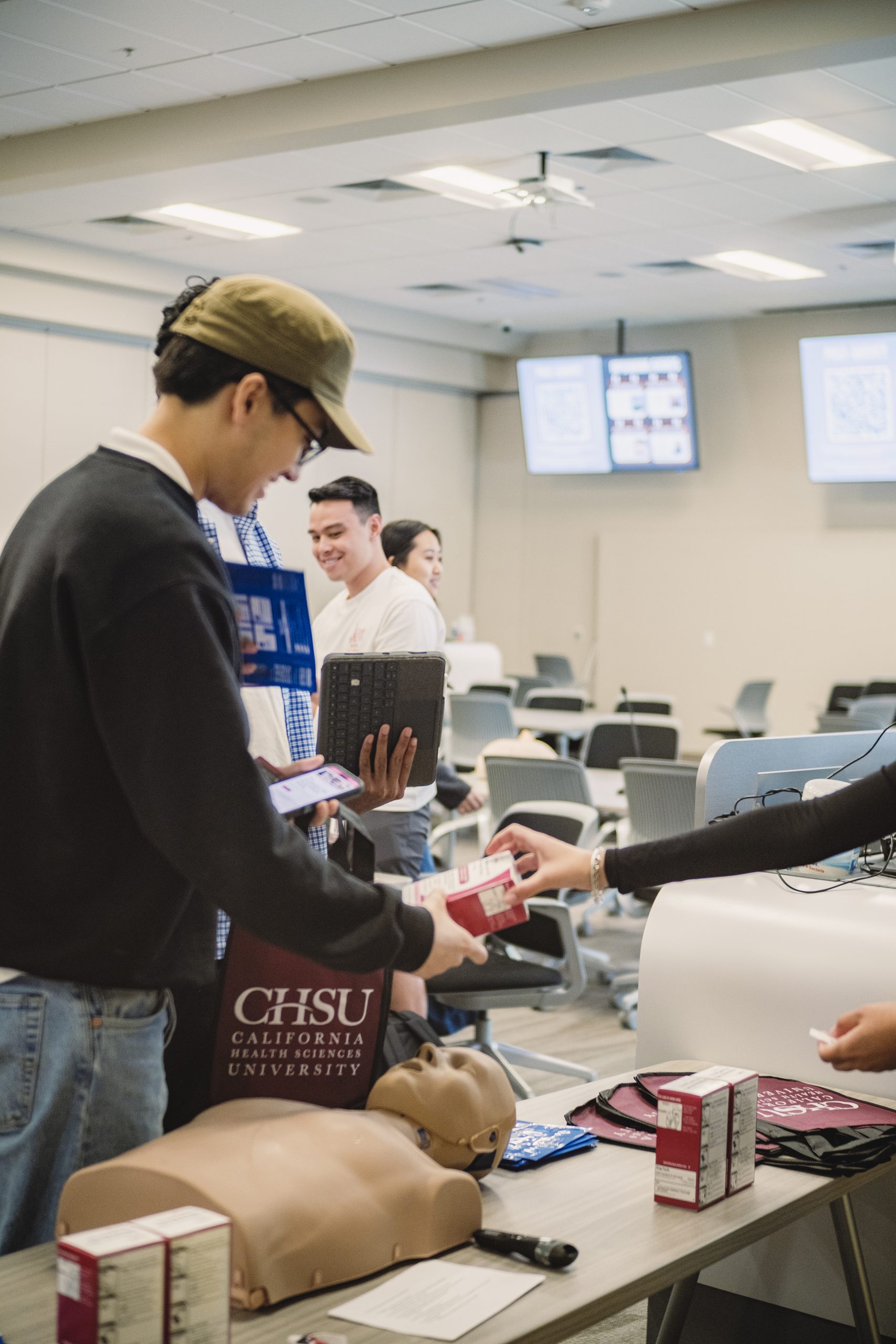
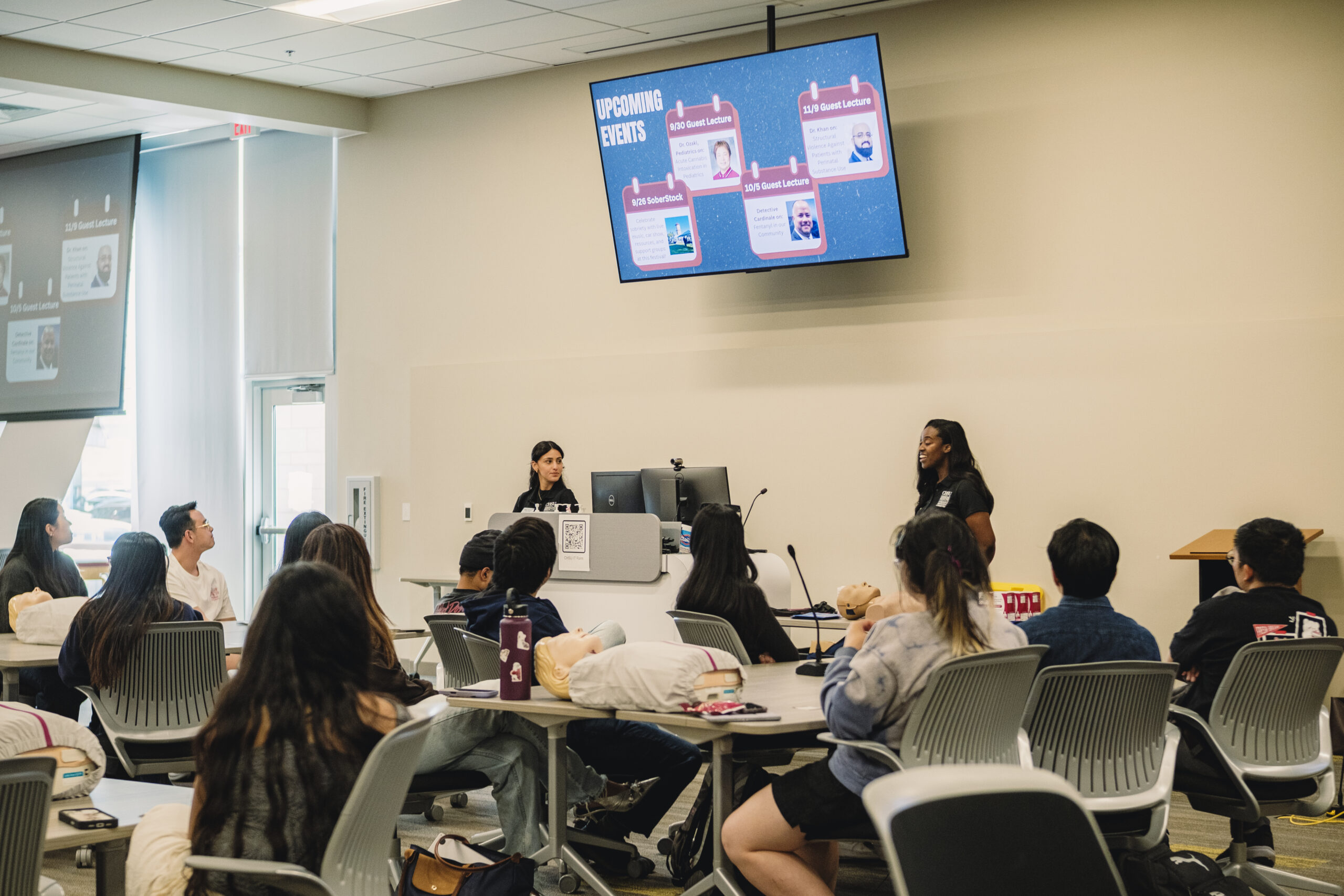
Across four training sessions held over two days, OPC trained more than 150 first-year medical students in opioid overdose recognition, harm reduction, and proper intranasal naloxone administration. Each session combined a focused didactic presentation with hands-on clinical skills training, and included pre- and post-training surveys to evaluate changes in student knowledge and confidence in responding to opioid overdoses.
Students first learned to recognize the signs and symptoms of an opioid overdose, understand the pathophysiology of opioid toxicity and naloxone-mediated reversal, and appreciate the role of harm reduction in preventing overdose deaths. OPC sub-chairs then demonstrated how to administer intranasal naloxone and respond appropriately after giving a dose.
Students subsequently transitioned into small groups, where they practiced intranasal naloxone administration, participated in overdose-response scenarios, and answered questions related to symptom recognition, dosing, timing of repeat administration, and appropriate post-reversal management.
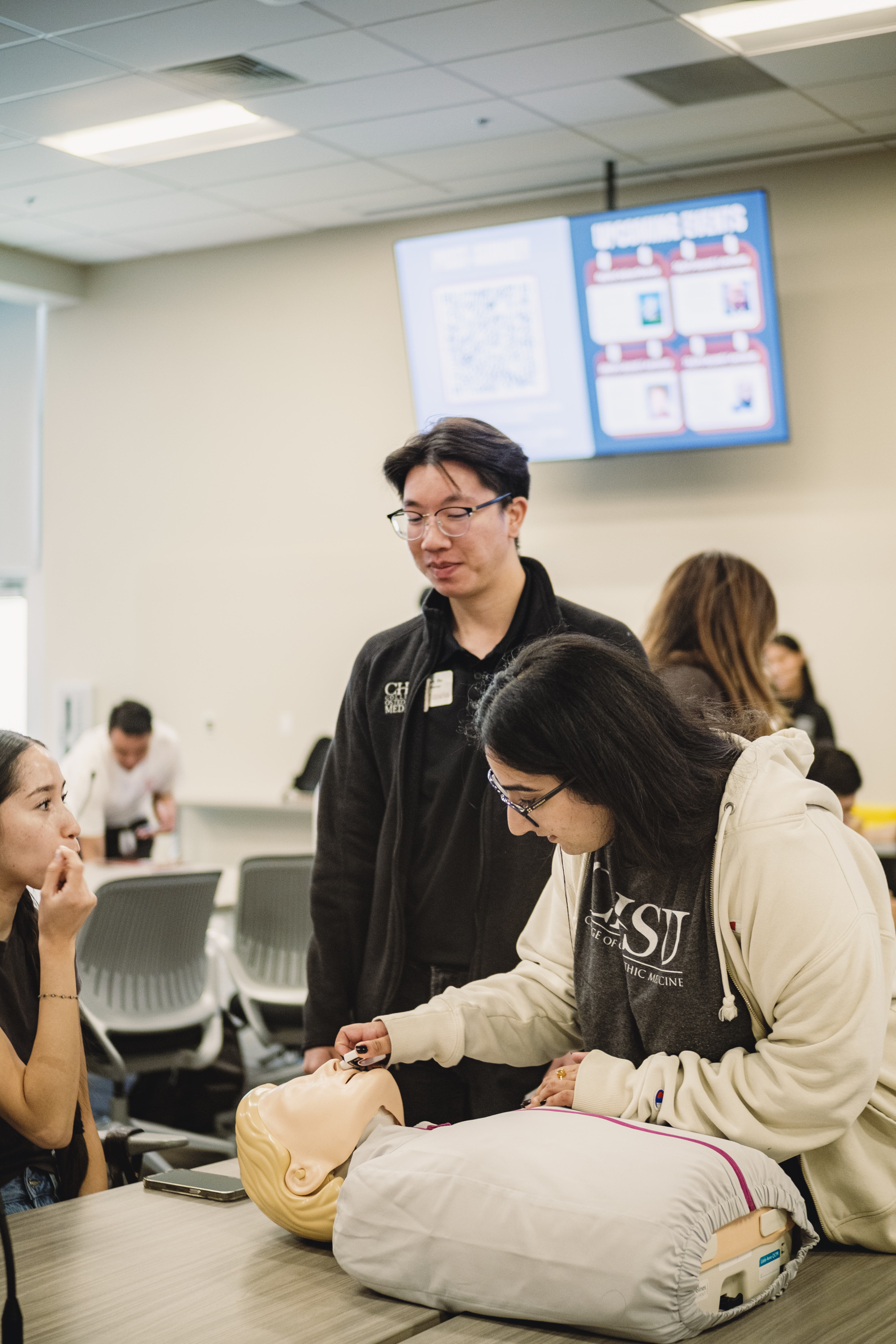
The hands-on training helped students turn what they learned into practical skills. One medical student who participated in the training shared:
“I knew Narcan could save a life, but actually practicing how and when to use it made me feel much more prepared to step in during an emergency.”
By the end of the two-day initiative, an entire CHSU Class of 2030 is now equipped with the knowledge, skills, and confidence to recognize and respond to opioid overdoses. Developed and led by medical students, the program highlighted the power of peer-led education to advance both medical training and public health. Equally important, it fostered an approach to substance use rooted in harm reduction, compassion, and stigma reduction. In doing so, OPC empowered future physicians to become advocates for overdose prevention and equitable patient care across the Central Valley and beyond.
Interested in getting involved? Contact SOMA-OPC at soma-opc@chsu.edu, follow @CHSU_OPC on Instagram, or explore more OPC articles to learn about the committee’s events and community impact.