From Stigma to Strategy: Learning About Addiction Medicine and Harm Reduction in Practice With Dr. Muhammad Khan
November 18, 2025
Written by Phil De Vera, CHSU-COM Student & OPC Internal Education Sub-Chair
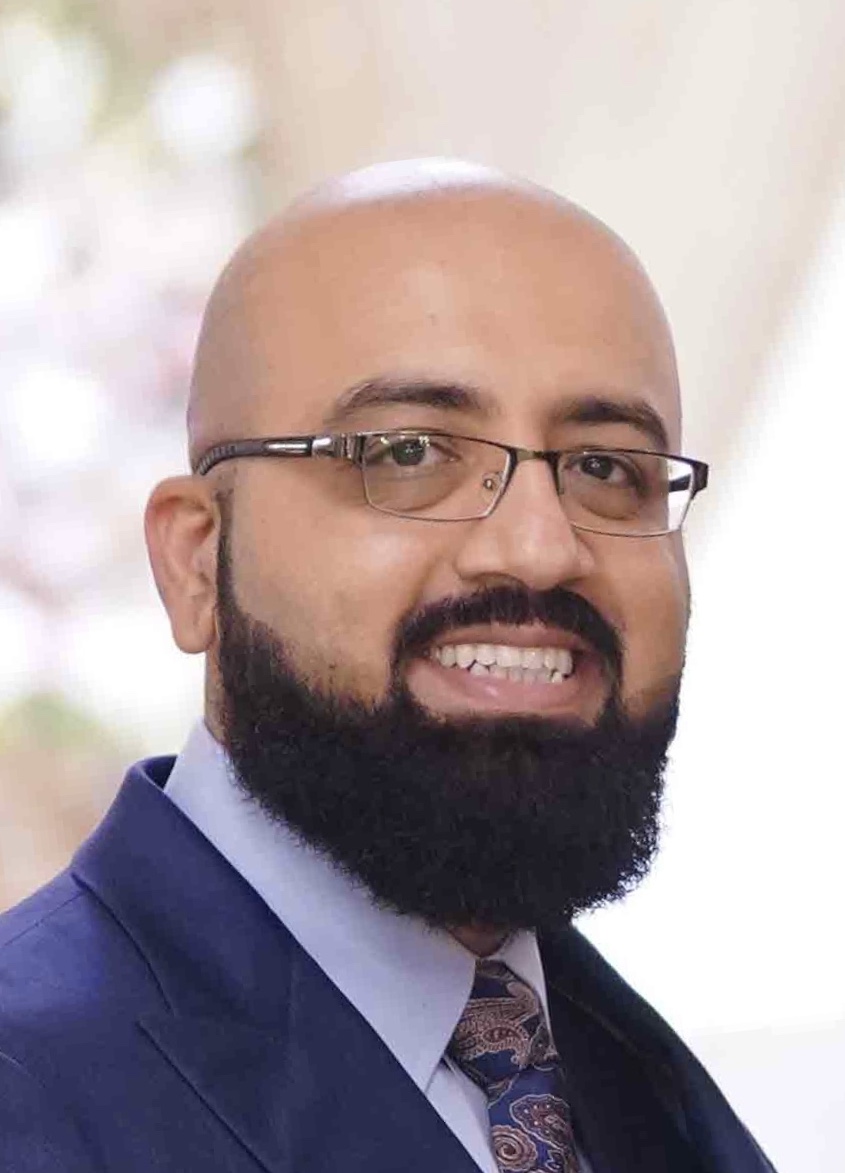
During the pre-clinical years of medical school, first- and second-year osteopathic medical students receive minimal exposure to individuals with substance use disorders (SUD) or who are in recovery. As a result, their knowledge and skills in navigating these patient encounters are limited. In an effort to create more competent and compassionate physicians, the Overdose Prevention Committee (OPC) at CHSU invited Muhammad Khan, MD, a double-board certified physician in Family Medicine and Addiction Medicine, to discuss the fundamentals of addiction medicine and how harm reduction principles can be applied in practice.
Dr. Khan is the current lead for the Family Medicine and Obstetrics team at UCSF Fresno, as well as their lead for addiction-related services and educational activities. He is also the Director of Research and Scholarly Activity in the Department of Family and Community Medicine, the Fresno lead for the California HEAL Social Medicine Fellowship, and the co-director of the Maternal Child Health fellowship.
Dr. Khan began his talk by discussing the experiences that led him to his various roles in the Central Valley. He shared his personal observations made over the years, noting that healthcare providers often have a negative emotional response to patients with chronic pain or those taking narcotics because they are perceived as “difficult” patients. Dr. Khan used this observation as a catalyst for a discussion regarding the role of physicians in managing these patients. He showcased a multitude of statistics on substance use disorders and its diverse impacts on rural populations, pregnancy, and more, all of which underscored the importance of his proposed solution: harm reduction. Dr. Khan initiated a case discussion to spark audience engagement and brainstorming, leading into a conversation on the neurobiology of addiction. He emphasized that addiction is a psychiatric and medical disorder, underscoring the importance for physicians to understand it thoroughly in order to provide better patient care.
In the latter part of his talk, Dr. Khan transitioned into a discussion on the stigma faced by individuals living with substance use disorder, highlighting the prevalence of stigmatizing language within the medical field. This discussion sparked a lot of buzz amongst the medical students and faculty present, with one student sharing, “I really enjoyed this part of Dr. Khan’s talk because language and the way we speak about people is so important, especially as future physicians treating patients in some of their most vulnerable moments.” Language choice, which is often overlooked, was a key focus of Dr. Khan’s presentation. He emphasized the importance of using person-first language and highlighted specific terms and phrases that promote respectful and compassionate communication when addressing patients with SUD.
The Overdose Prevention Committee at CHSU extends its utmost gratitude to Dr. Khan for sharing his expertise and passion with the CHSU-COM community.